
How to Measure Screen Time and Manage Technostress
In today’s hyper-connected world, technology is everywhere. From the moment we wake up to the time we fall asleep, screens shape our work, entertainment, and even social lives. While this digital revolution offers incredible convenience, it also comes with a cost: digital overload. Too much screen time can impact our sleep, focus, relationships, and mental well-being. The question is—how do we strike a balance between the benefits of technology and our need for calm, presence, and rest?

What is Digital Overload?
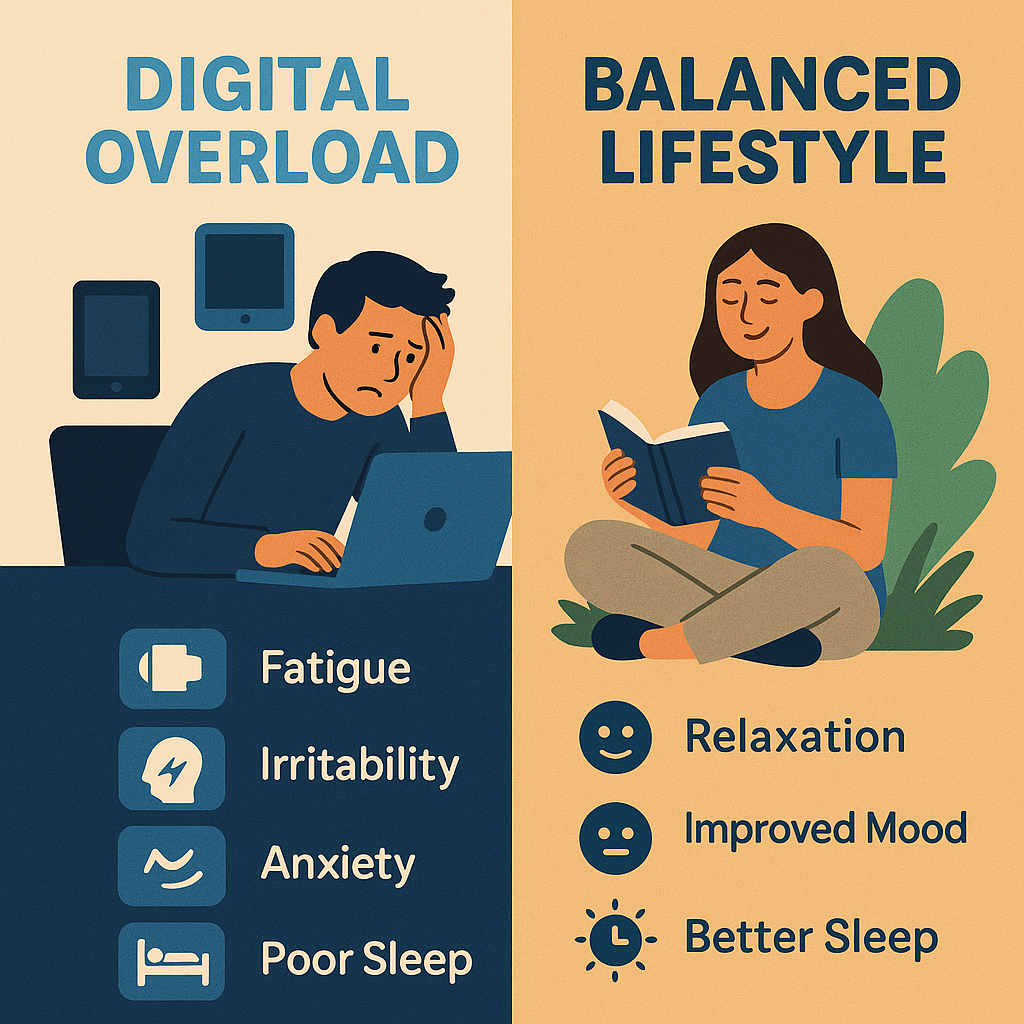
In today’s world, we are surrounded by a constant stream of pings, alerts, emails, and scrolling feeds. What begins as a tool for connection and productivity can quickly become overwhelming. Digital overload describes this state of being bombarded by digital input to the point where it drains our energy instead of fueling it. Rather than feeling empowered, many of us end up feeling exhausted, distracted, and overstimulated.
This overload often leads to technostress—a very real form of stress directly tied to technology use. Its symptoms can be subtle at first: difficulty concentrating, irritability, or restless sleep. Over time, however, they can escalate into chronic fatigue, anxiety, and even burnout. The challenge is that our always-on culture blurs the boundaries between work and personal life. With laptops on the couch and phones at the bedside, it’s increasingly difficult to truly “unplug” and give our minds space to rest.
The effects extend beyond mental health. Physical health takes a toll as well. Staring at screens for hours can cause digital eye strain, headaches, and even long-term vision issues. Posture often suffers too, as many of us hunch over keyboards or cradle phones in awkward positions for extended periods. Add in the sedentary lifestyle that accompanies heavy screen use, and the risks grow: increased stiffness, reduced mobility, and a greater likelihood of chronic health conditions linked to inactivity.
Perhaps most concerning is the research linking excessive screen time to mental health challenges. Studies consistently show correlations between high digital engagement and higher rates of anxiety, depression, and disrupted sleep patterns. Blue light exposure can interfere with natural sleep cycles, while endless comparison on social media fosters feelings of inadequacy. In short, digital overload doesn’t just affect how we spend our days—it shapes how well we rest, recover, and show up in our lives.
Recognizing these patterns is the first step toward change. By naming the problem, we can begin to take practical steps to reduce digital overload, manage technostress, and reclaim control over our time, focus, and well-being.
Measuring Screen Time: Why It Matters
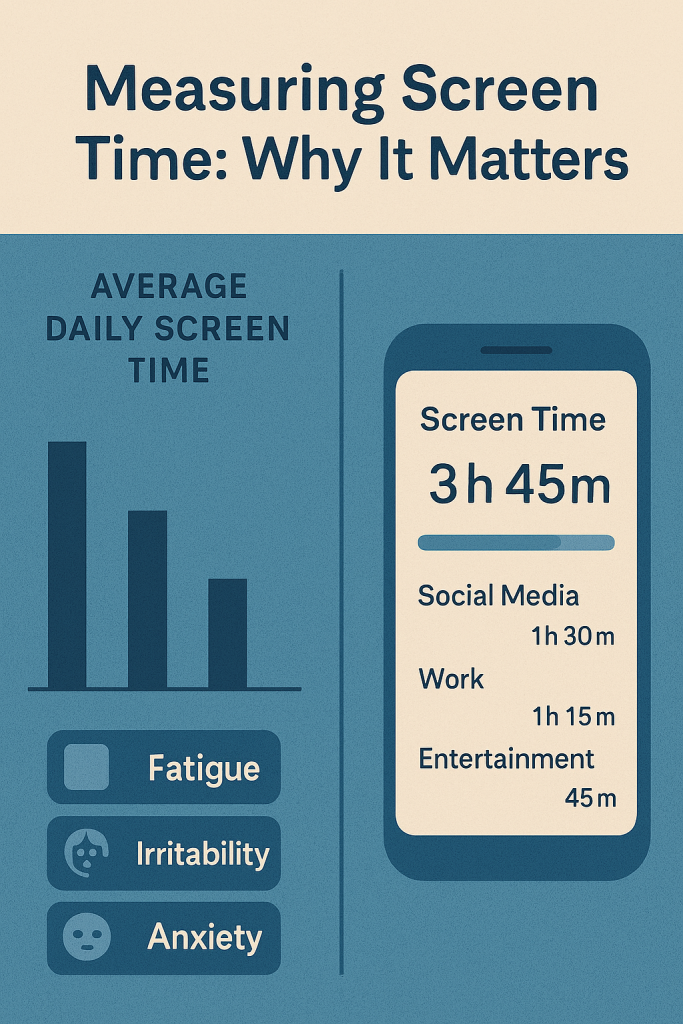
Awareness is the first step toward balance. By tracking your daily screen time, you can uncover patterns and triggers that may be contributing to stress. Many smartphones now have built-in tools to measure usage by app and time of day. Third-party apps like RescueTime or Moment provide even deeper insights, helping you see exactly where your time is going.
But measuring isn’t just about the numbers—it’s also about the quality of your digital interactions. Are you spending time doom-scrolling, or are you connecting meaningfully with friends? Are you reading articles that inspire growth, or comparing yourself to unrealistic social media feeds? By reflecting on both the quantity and quality of screen time, you’ll have a clearer picture of how digital life is shaping your well-being.
Strategies to Manage Technostress
Creating healthier digital habits doesn’t mean abandoning technology—it means using it with intention. Here are a few practical strategies:
- Practice digital mindfulness: Notice how different apps make you feel. If scrolling leaves you anxious, it may be time to cut back.
- Try a digital detox: Designate a weekend, or even just a few hours each day, as screen-free time. Fill the gap with outdoor walks, creative hobbies, or in-person conversations.
- Set boundaries: Establish “tech-free zones” at home, such as the dinner table or bedroom, to create space for real rest and connection.
- Schedule breaks: Follow the 20-20-20 rule—every 20 minutes, look 20 feet away for 20 seconds to reduce eye strain.
Tools That Can Help
If managing screen time feels overwhelming, technology can also be part of the solution. The right apps can make healthy digital habits easier to adopt:
| Tool | Best For | Key Features | Get Started |
|---|---|---|---|
| RescueTime | Tracking productivity & screen use | Detailed reports, activity breakdowns, weekly insights | 📊 Try RescueTime |
| Moment | Limiting phone time | Tracks daily usage, nudges you to unplug, family sharing options | 📱 Download Moment |
| Forest | Staying focused | Gamified focus sessions, plant virtual trees as you work | 🌲 Grow with Forest |
| Headspace | Mindfulness & stress relief | Guided meditation, sleep sounds, focus music | 🧘 Get Headspace |
| Calm | Relaxation & sleep | Breathing exercises, nature sounds, sleep stories | 🌙 Relax with Calm |
💡 Pro Tip: Pick one app that feels easiest to start with. Small changes—like using a focus timer or tracking daily usage—can create lasting impact over time.
When to Seek Support
Sometimes, digital overload and technostress can go beyond self-management. If you notice persistent anxiety, depression, or difficulty disconnecting, it may be time to reach out for professional help. Therapists and counselors are increasingly familiar with the challenges of technology-driven stress and can provide personalized coping strategies.
Employers also have a role to play. Forward-thinking companies are beginning to recognize the value of encouraging digital balance, offering wellness programs, and promoting healthier boundaries for employees.
Creating a Balanced Digital Lifestyle
Ultimately, managing digital overload is about reclaiming control. By blending intentional technology use with offline activities, we can create a lifestyle that supports—not sabotages—our mental health. That may look like morning walks without your phone, evening conversations with family, or hobbies that keep your hands busy and your mind calm.
Offline connections matter, too. Community, friendships, and face-to-face interactions provide grounding that digital spaces can’t replace. When we commit to balance, we step into a healthier relationship with technology—one that supports our goals and protects our peace of mind.
Final Thought: Digital devices are powerful tools, but they shouldn’t control us. By measuring our screen time, setting boundaries, and practicing mindfulness, we can reduce technostress and live more intentionally. The journey toward balance doesn’t mean rejecting technology—it means using it wisely so we can thrive both online and offline.
Leave a Reply