
Overcoming It and Understanding Its Impact
In today’s always-on world, FOMO—the fear of missing out— has become an unwelcome companion for many of us. It sneaks in during endless scrolls through social feeds, whispering that everyone else is living a better, more exciting life. That tug to stay plugged in can feel overwhelming. But here’s the truth: FOMO doesn’t have to run your life. A social media detox can help you quiet the noise, reclaim your focus, and reconnect with what really matters.
This post is your guide to navigating FOMO while taking a break from social media. We’ll unpack how it affects your mental health, share practical strategies to ease the discomfort, and explore ways to return to digital spaces with balance and intention.
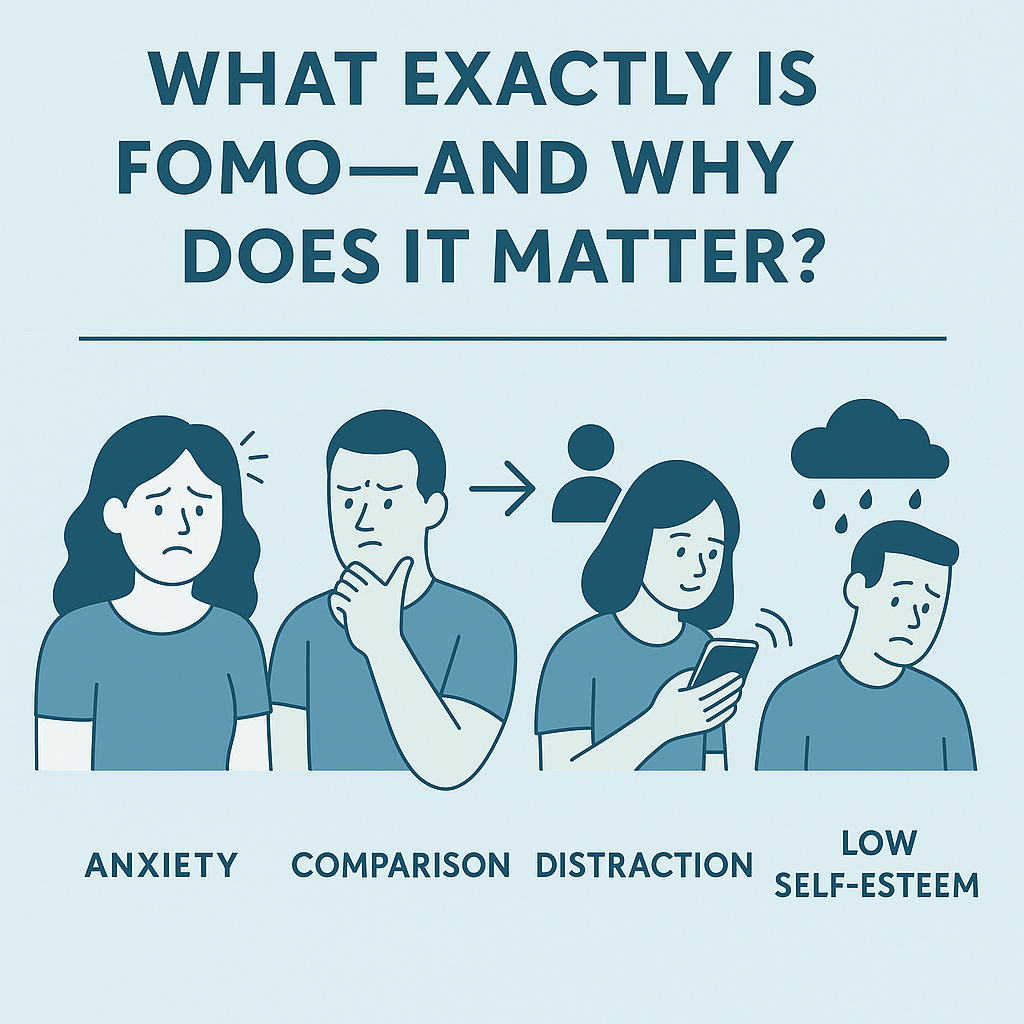
What Exactly Is FOMO—and Why Does It Matter?
At its core, FOMO is about comparison. Social media gives us constant access to everyone else’s highlight reels: vacations, career wins, perfect family photos. When we measure our real lives against those curated snapshots, feelings of anxiety and inadequacy creep in. Over time, that comparison game can chip away at self-esteem and fuel depression.
FOMO also steals from the present. Instead of enjoying our own experiences, we find ourselves distracted by what others might be doing. This restless focus outward keeps us from fully appreciating our own accomplishments and can leave us stuck in a cycle of dissatisfaction. Recognizing the mental and emotional toll of FOMO is the first step toward breaking free.

Why a Social Media Detox Can Help
Taking a step back from social media—even for a short period—offers space to breathe. Without constant notifications and curated content competing for attention, you can:
- Refocus on your own goals and values
- Reconnect with family and friends in more meaningful ways
- Rediscover hobbies or passions you may have set aside
- Improve sleep by reducing nighttime scrolling
A detox isn’t about rejecting technology altogether. It’s about giving yourself a reset—a chance to clear your mind, reduce stress, and enjoy the life that’s happening right in front of you.
Facing FOMO During a Detox
Let’s be honest: a detox isn’t always easy. That urge to check in doesn’t disappear overnight. The key is to remind yourself that those feelings are valid, but they don’t define your worth.
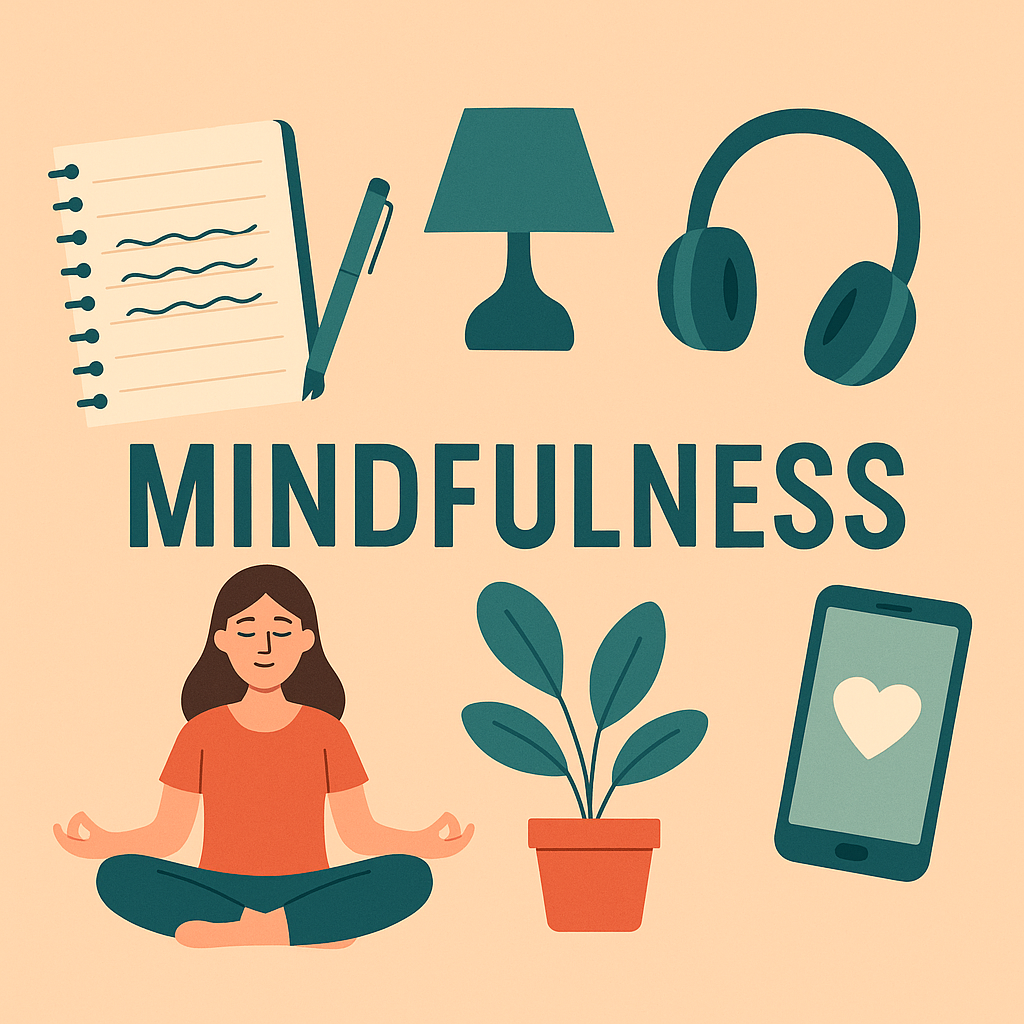
Gratitude can be a powerful antidote. Writing down a few things you’re thankful for each day shifts focus from what you lack to what you already have. Pair this with mindfulness practices like meditation or deep breathing to stay grounded in the present. And don’t forget the value of structure—simple boundaries such as “no phones after dinner” or “screen-free Sundays” create predictability and reduce temptation.

Practical Strategies for Managing FOMO
If you’re planning a detox, these strategies can make the process smoother:
- Find support: Share your plan with a friend or family member who can encourage you along the way.
- Stay engaged offline: Try new activities, pick up an old hobby, or spend more time outdoors.
- Be kind to yourself: Remember that it’s normal to feel the pull of FOMO—you’re not failing if it shows up.
- Track your wins: Celebrate milestones like a weekend unplugged or a week of limited scrolling.
Each small step builds momentum, making it easier to stay the course.
How FOMO Affects Relationships and Productivity
FOMO doesn’t just impact your mood—it ripples into other areas of life. Constantly checking for updates can weaken connections with the people right in front of you. Loved ones may feel like they’re competing with your phone for attention, and meaningful moments can slip by unnoticed.
Work and productivity also take a hit. Notifications and comparison traps make it harder to focus, leading to procrastination and stress. When you address FOMO, you’re not just protecting your mental health—you’re improving your relationships and performance, too.
Building Resilience Against FOMO
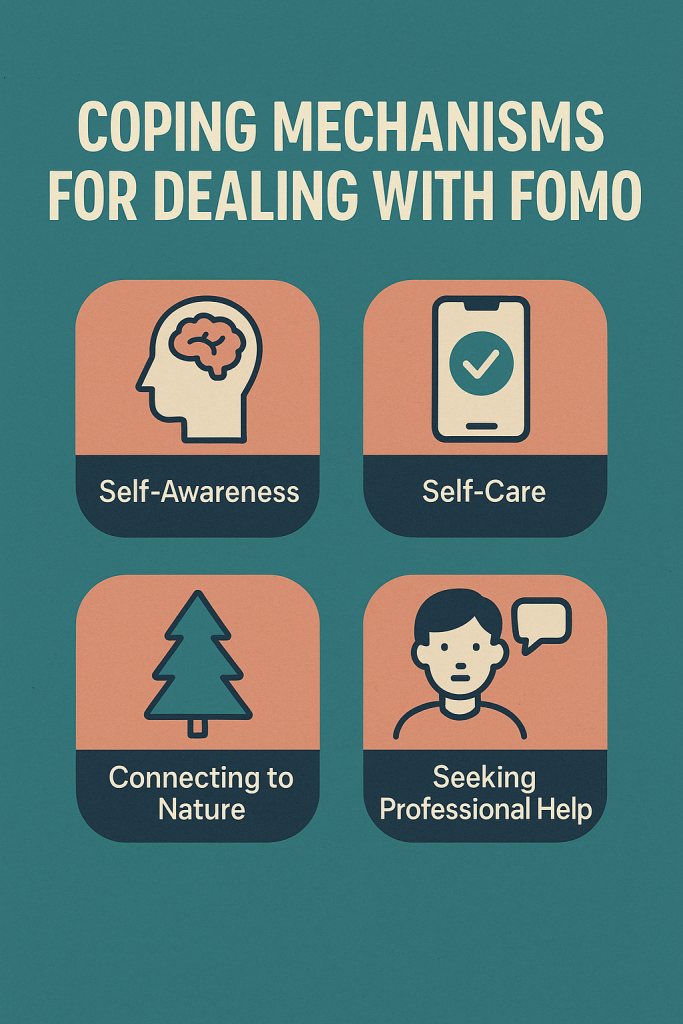
Long-term resilience starts with self-care. Regular exercise, enough rest, and balanced nutrition strengthen your ability to cope with stress. Spending time in nature offers perspective, reminding you of the richness of life beyond the digital world.
For some, professional support can make a big difference. Talking with a therapist or joining a support group can provide new tools for handling FOMO and help you set healthier boundaries with technology.
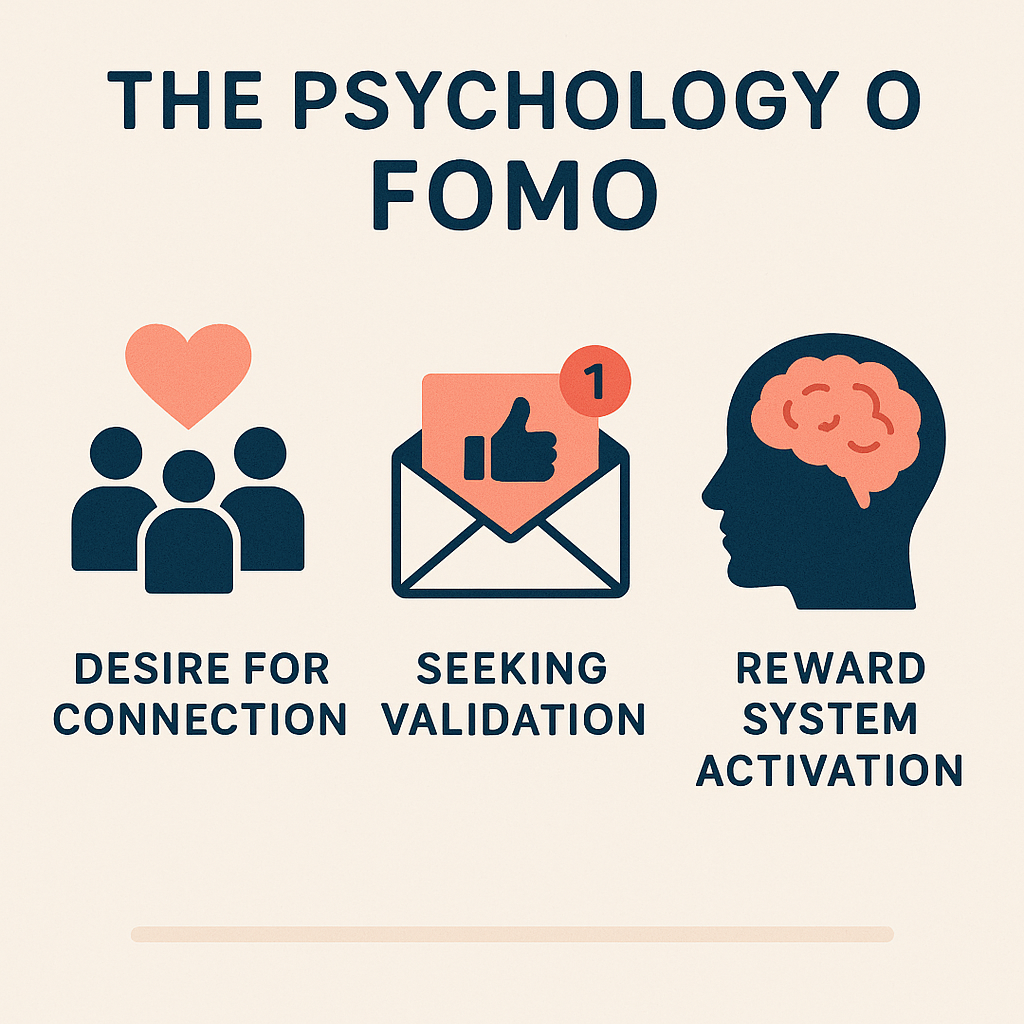
The Psychology Behind FOMO
It’s no accident that FOMO feels addictive. Social media platforms are designed to capture attention. Every notification, like, or share triggers dopamine, creating a reward loop that keeps us coming back for more.
Understanding this design helps you approach social media with awareness. Once you see how the system works, you can make more intentional choices about when—and why—you log in.
Returning to Social Media with Balance
After a detox, reintroducing social media thoughtfully is key. Set time limits, prioritize meaningful interactions over passive scrolling, and unfollow accounts that trigger unhealthy comparison. Curate your feeds with content that inspires and uplifts you.
By engaging with intention, social media can shift from being a source of stress to a tool for connection and growth.
Final Thoughts
FOMO may be loud, but it isn’t unstoppable. With self-awareness, clear boundaries, and supportive strategies, you can quiet its influence and reclaim balance. A social media detox can serve as the reset button you need—helping you return with a clearer mind, stronger connections, and a healthier relationship with technology.
The bottom line? FOMO doesn’t have to dictate your choices. By leaning into presence, gratitude, and intentional use of digital tools, you can create a life where you’re not just “keeping up”—you’re thriving.
Leave a Reply