
Coping with Anxiety, Physical Symptoms, and Digital Dependency
Have you ever tried taking a break from social media only to feel restless, anxious, or even physically uncomfortable? If so, you’re not alone. In our always-connected world, stepping away from digital platforms can trigger withdrawal symptoms that are both surprising and challenging. But here’s the good news: navigating digital withdrawal is possible—and it can lead to a healthier, more balanced relationship with technology.

What is Digital Withdrawal?
Digital withdrawal happens when we reduce or stop using devices and platforms we’ve grown dependent on. Just like caffeine or sugar withdrawal, it can stir up emotional and physical discomfort. Common experiences include:
- Physical symptoms: headaches, eye strain, disrupted sleep patterns.
- Emotional and behavioral signs: irritability, anxiety, restlessness, FOMO (fear of missing out), and even a sense of isolation.
These reactions are not signs of weakness—they’re signals that our brains and bodies are recalibrating after constant digital stimulation. Understanding these symptoms is the first step toward managing them with compassion.
The Toll of Digital Dependency
Our dependence on digital technology doesn’t just impact how often we pick up our phones; it affects our health, too. Mentally, constant scrolling can fuel anxiety, depression, and comparison-driven self-doubt. Physically, prolonged screen time contributes to eye strain, headaches, and disrupted circadian rhythms that affect sleep. The more time we spend online, the less present we often feel in our offline lives.
Recognizing the impact of digital dependency reminds us why detoxing matters—not as punishment, but as a step toward reclaiming balance and presence.
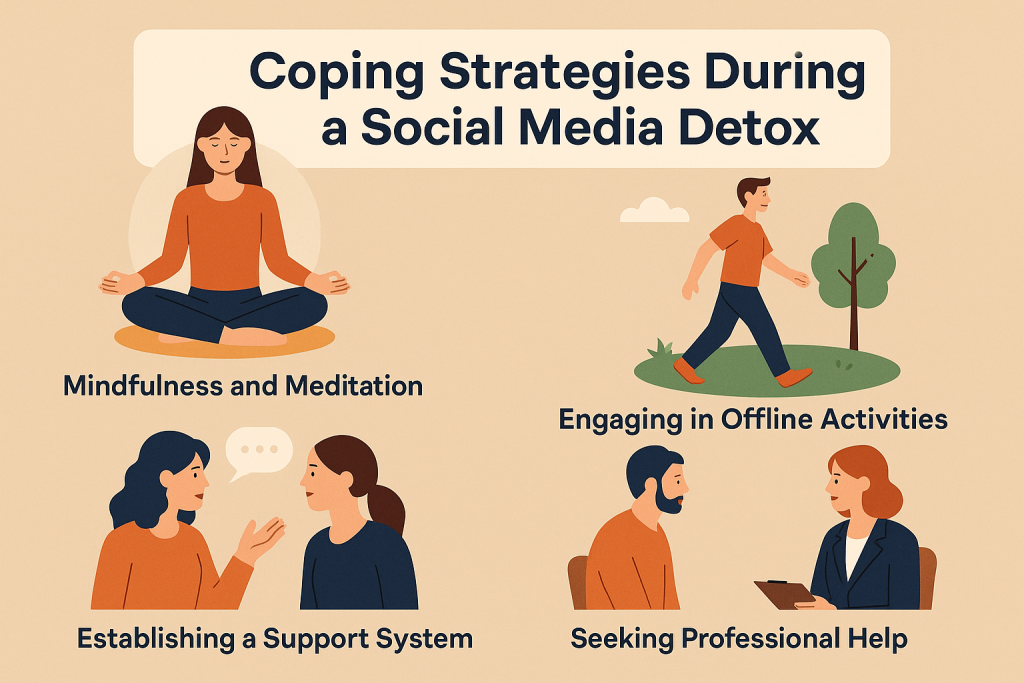
Coping Strategies for a Social Media Detox
If you’re considering a social media detox, here are some proven strategies to ease withdrawal symptoms and make the process empowering rather than overwhelming:
1. Practice Mindfulness
Mindfulness and meditation help anchor us in the present moment. Even five minutes of mindful breathing can calm the restlessness that often accompanies disconnection.
2. Rediscover Offline Activities
Reconnect with hobbies that don’t involve screens—reading, walking, cooking, painting, or simply spending time outdoors. These activities give your mind a break and remind you of the joy found beyond notifications.
3. Build a Support System
Talk with friends or family about your detox. Better yet, invite someone to join you. Sharing the experience creates accountability and reduces feelings of isolation.
4. Seek Professional Support if Needed
For some, digital withdrawal may heighten existing anxiety or stress. If you find it overwhelming, consider talking with a therapist who can provide tailored strategies and support.
Creating a Healthier Digital Balance
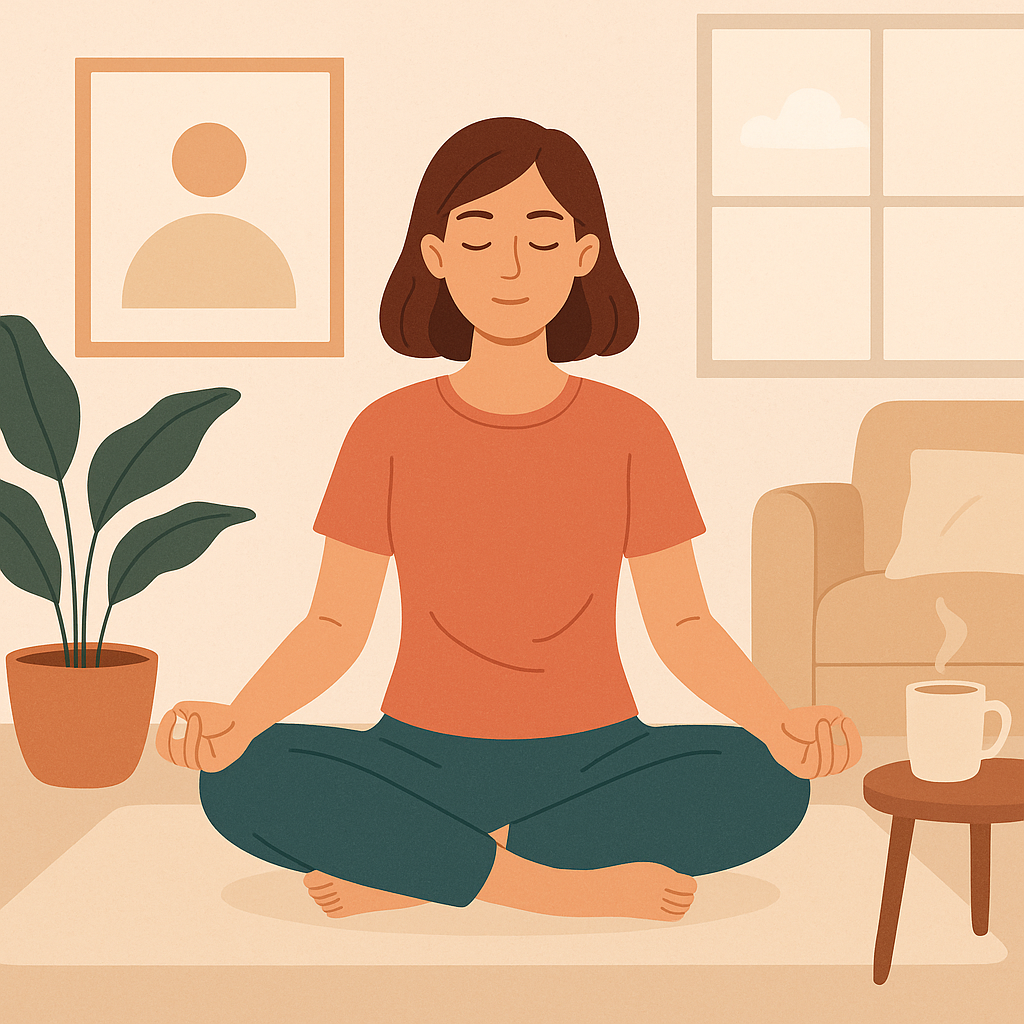
Ultimately, a detox is about more than “unplugging.” It’s about building a healthier, more intentional relationship with technology. Setting boundaries around screen time, designating device-free zones, and prioritizing face-to-face connections are powerful ways to maintain balance long after the detox ends.
When we approach digital withdrawal with awareness and kindness, we open the door to a more mindful, connected, and fulfilling life. By embracing the temporary discomfort, we create lasting space for presence, joy, and authentic connection—both online and offline.
Leave a Reply