
In today’s digital world, it’s hard to imagine a day without social media. Scrolling through feeds, checking notifications, and staying connected has become second nature. While these platforms keep us informed and connected, they also come with hidden costs. Studies show that excessive social media use can fuel anxiety, depression, and constant comparison, leaving many of us feeling drained rather than inspired. That’s why more people are turning to social media detoxes—intentional breaks from the noise.
But stepping away from social media isn’t always as refreshing as it sounds. Without the constant stream of updates, it’s common to feel restless or disconnected. This is where mindfulness can transform the experience. By practicing mindfulness during a social media detox, you can quiet the urge to check your phone, find balance, and rediscover joy in the present moment.

Why Mindfulness Matters
Mindfulness is the simple yet powerful act of paying attention to the present moment with kindness and without judgment. It allows us to step back from autopilot scrolling and notice what’s happening around and within us.
Here’s why it’s especially helpful during a detox:
- Stay present: Instead of filling silence with screen time, mindfulness helps you savor real-life experiences.
- Accept emotions: Restlessness, boredom, or FOMO may surface. Mindfulness teaches you to acknowledge these feelings without letting them take over.
- Find peace: By shifting focus away from digital validation, you can cultivate contentment rooted in your own life—not in likes or comments.
Embracing mindfulness isn’t just about surviving a detox—it’s about thriving in it.

Social Media and Mental Health: A Wake-Up Call
Social media isn’t inherently harmful, but its constant presence can weigh heavily on mental well-being. Research links high levels of use to increased loneliness, stress, and low self-esteem. The endless comparisons to curated “highlight reels” often fuel feelings of inadequacy, while doomscrolling feeds cycles of anxiety and exhaustion.

Recognizing these effects is the first step toward change. A detox creates space to reset, and mindfulness ensures that space becomes meaningful rather than uncomfortable.
The Benefits of Mindfulness in a Detox
When you weave mindfulness into your detox, you’ll notice powerful shifts:
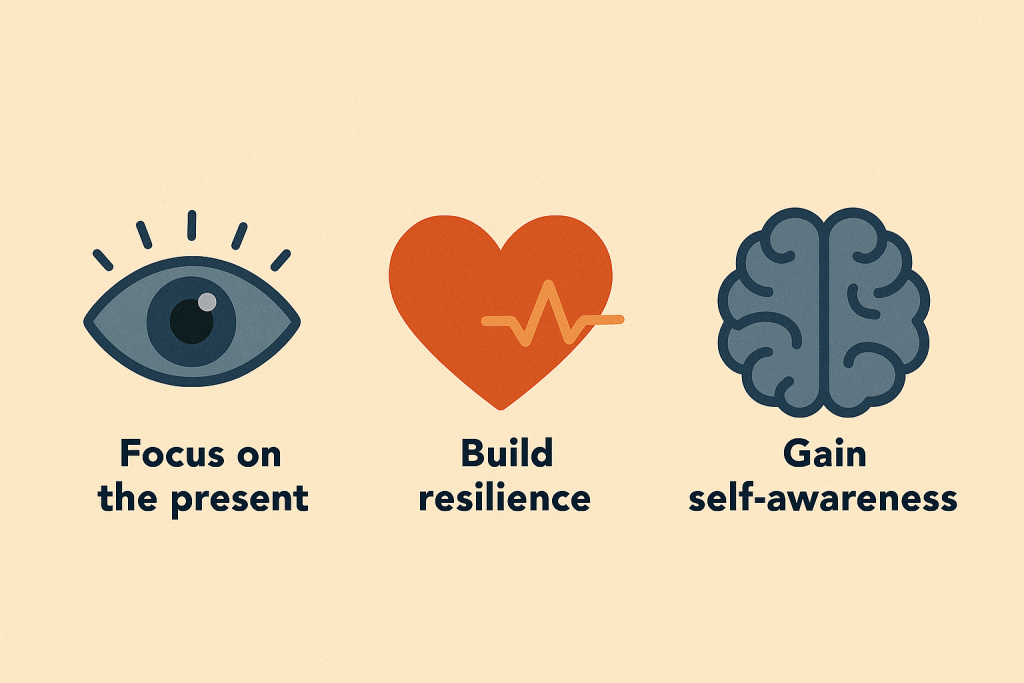
- Focus on the present: Break free from the compulsion to check notifications and redirect your attention to what’s in front of you.
- Build resilience: Handle difficult emotions with self-compassion instead of reacting impulsively.
- Gain self-awareness: Notice how social media habits affect your energy, mood, and sense of control—then take back the power.
These benefits extend well beyond the detox itself, helping you create a healthier, more intentional relationship with technology.
Practical Mindfulness Techniques
You don’t need hours of meditation to feel the benefits of mindfulness. Start small:
- Practice mindful breathing for two minutes when you feel the urge to scroll.
- Take a mindful walk, paying attention to each step and your surroundings.
- Use apps like Headspace, Calm, or Insight Timer for guided mindfulness practices.
- Create digital-free zones in your home, like the dining table or bedroom.
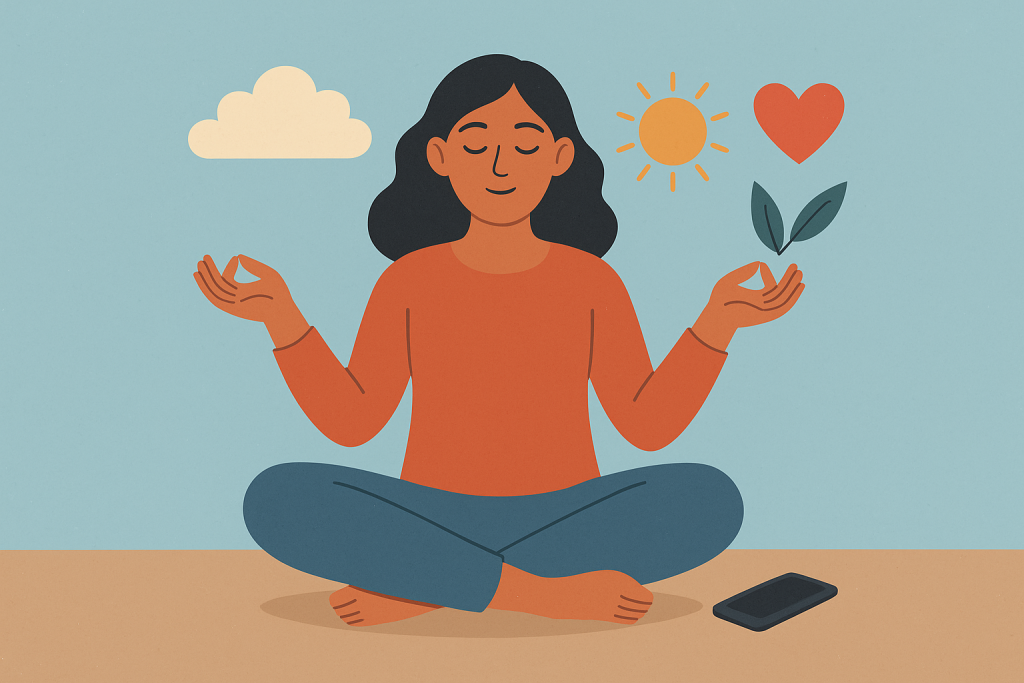
These simple strategies make your detox not just a break, but an opportunity for real growth.
Final Thoughts
A social media detox is more than stepping away from screens—it’s a chance to reconnect with yourself and the world around you. By practicing mindfulness, you’ll not only ease the transition but also discover deeper peace and clarity in your everyday life.
The ultimate goal isn’t to abandon technology altogether, but to approach it with intention. With mindfulness as your guide, you can build a healthier, more balanced relationship with social media—one that leaves you feeling grounded, present, and fulfilled.

Leave a Reply